The Best Investors Don't Wait for Perfect Markets — They Execute
Markets change. Rates change. Guidelines change.
What rarely changes is the importance of execution.
When I look back at our strongest borrowers over the years, the common thread usually isn't that they timed the market perfectly. It isn't that they caught a rate at the exact right moment, or that they happened to buy before a neighborhood turned. Those things help — but they're not the pattern.
The pattern is consistency.
What Consistent Execution Actually Looks Like
It doesn't mean moving fast and hoping for the best. And it doesn't mean being reckless with underwriting or ignoring what the market is telling you.
It means showing up deal after deal with the same disciplined approach:
- Knowing your numbers before you make an offer — not after.
- Having your financing lined up so you can move when the right opportunity appears.
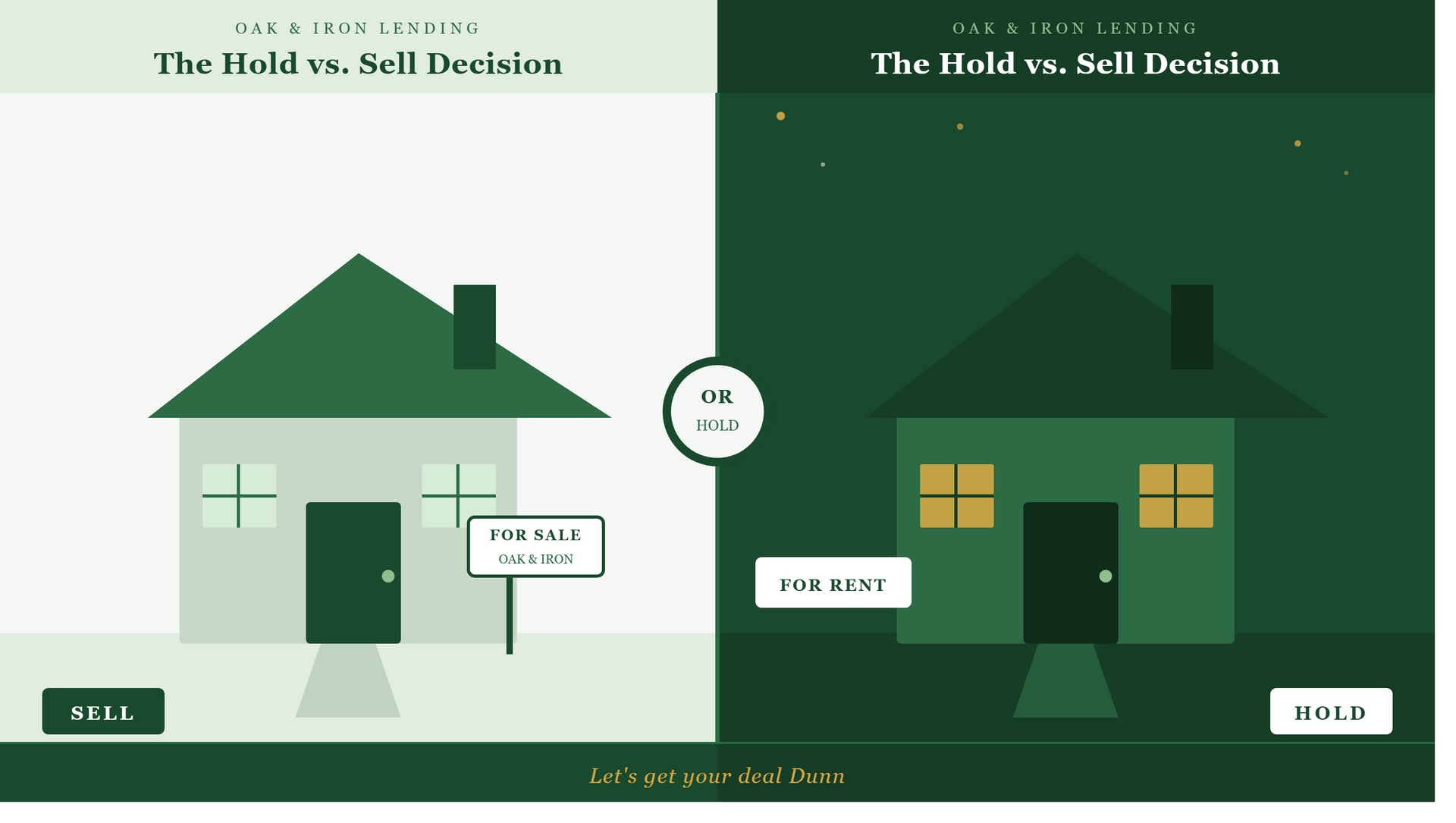
- Running both the flip and hold scenario before you commit to an exit strategy.
- Building relationships — with lenders, contractors, and agents — so your pipeline stays full even when the market slows.
None of that is glamorous. But it's what separates investors who have one good year from investors who build something lasting.
Why Timing Is Overrated
There's a version of real estate investing that looks like this: wait for rates to drop, wait for inventory to loosen, wait for the market to feel more certain — and then move.
The investors we work with who are actually building wealth have largely rejected that mindset.
Here's why: by the time a market "feels right," competition has already priced in the opportunity. The deals that look obvious in hindsight were rarely obvious in the moment. They were just taken — by someone who was already in motion.
The investors who consistently execute tend to create their own opportunities regardless of what the broader market is doing. They find deals others overlook. They move faster because their processes are already in place. They close because their lender already knows them.
What We See From Our End
As a lender, we have a front-row seat to how investors operate across different market conditions. And the borrowers who perform most consistently share a few things in common:
They communicate clearly and early. They don't surprise us with problems — they flag them before they become problems.
They know what they want before they call. They've already run the numbers. They have a clear exit in mind. They're not figuring it out as they go.
They treat each deal like it matters — because it does. Whether it's their third project or their thirtieth, they bring the same level of preparation.
That kind of consistency compounds over time. It builds trust with lenders. It makes the next deal faster and easier to close. It creates momentum that a good quarter or a favorable rate environment simply can't replicate on its own.
The Market Will Keep Changing
Rates will move. Guidelines will shift. New challenges will appear that nobody is predicting right now.
The investors who will still be growing five years from now aren't the ones waiting for certainty. They're the ones building the habits, relationships, and processes that work in any market.
That's what we look for in the borrowers we work with. And it's what we try to support — not just with capital, but with the kind of consistent, responsive partnership that lets you keep executing when the opportunity is in front of you.
I look forward to sharing more of what we're seeing across the market in next month's brief.
— Oak & Iron Lending
Oak & Iron Lending specializes in financing solutions for real estate investors. Whether you're scaling a fix-and-flip operation or building a long-term rental portfolio, we're here to help you execute. Let's get your deal Dunn.