How rising rates affect different investment strategies
Rising rates affect fix & flip, DSCR rental, and construction deals differently. Understanding the impact on each strategy helps you adjust your approach rather than sitting on the sidelines.
Fix & flip in a rising rate environment
Higher rates compress buyer demand on the back end — which can affect your ARV if fewer buyers are competing for the property when you list it. The key adjustments: tighten your profit margins, buy at steeper discounts, and keep renovation timelines shorter to reduce your carry cost exposure. In a rising rate environment, the 70% ARV rule becomes more important than ever.
DSCR rentals in a rising rate environment
Rising rates mean higher monthly payments on new acquisitions — which squeezes DSCR ratios. The response is to require stronger cash flow properties before making offers. A property that barely clears 1.0 DSCR at 7% rates becomes a sub-1.0 deal at 9%. Run your DSCR calculations using current rates, not what rates were six months ago.
Construction in a rising rate environment
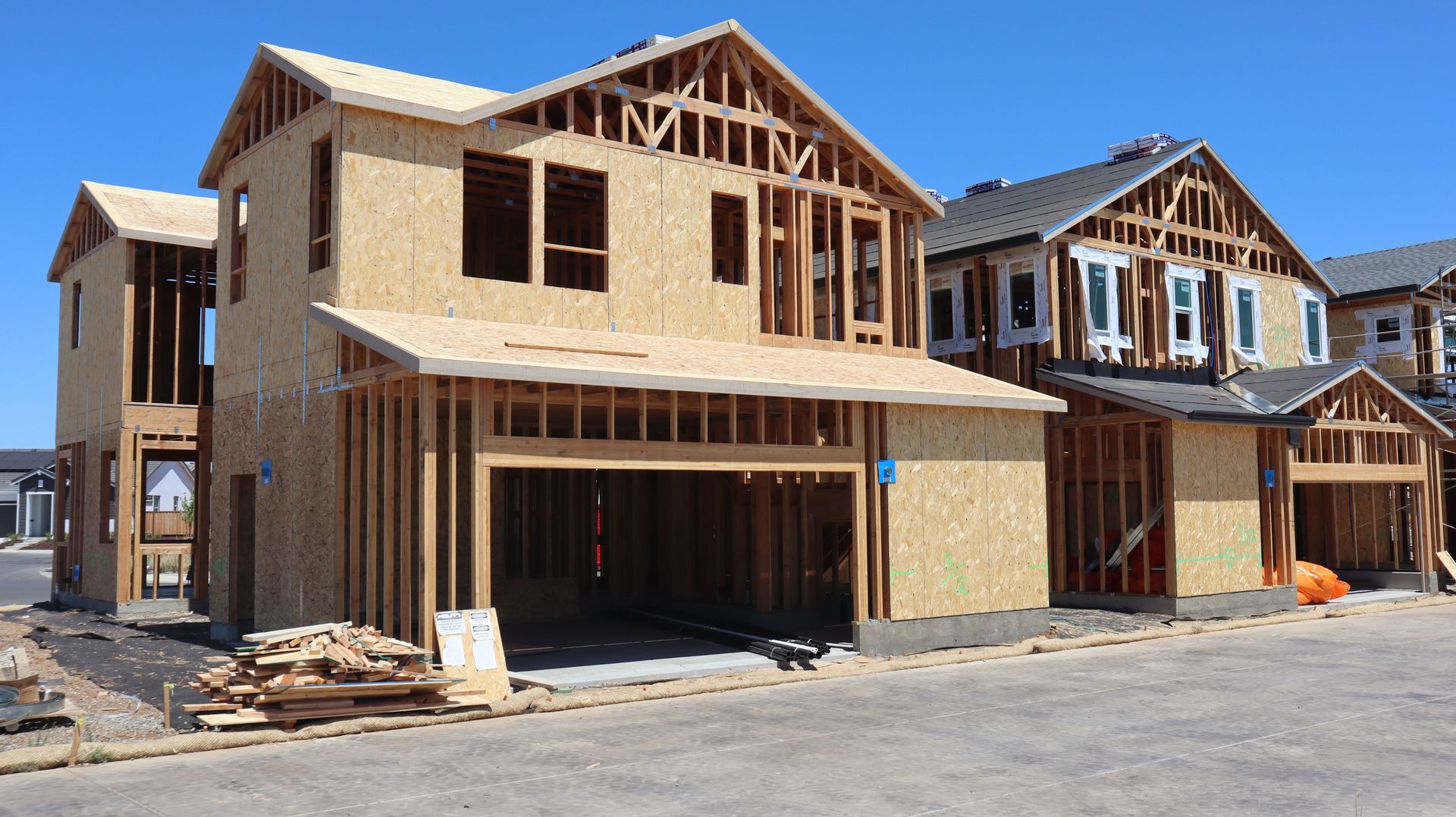
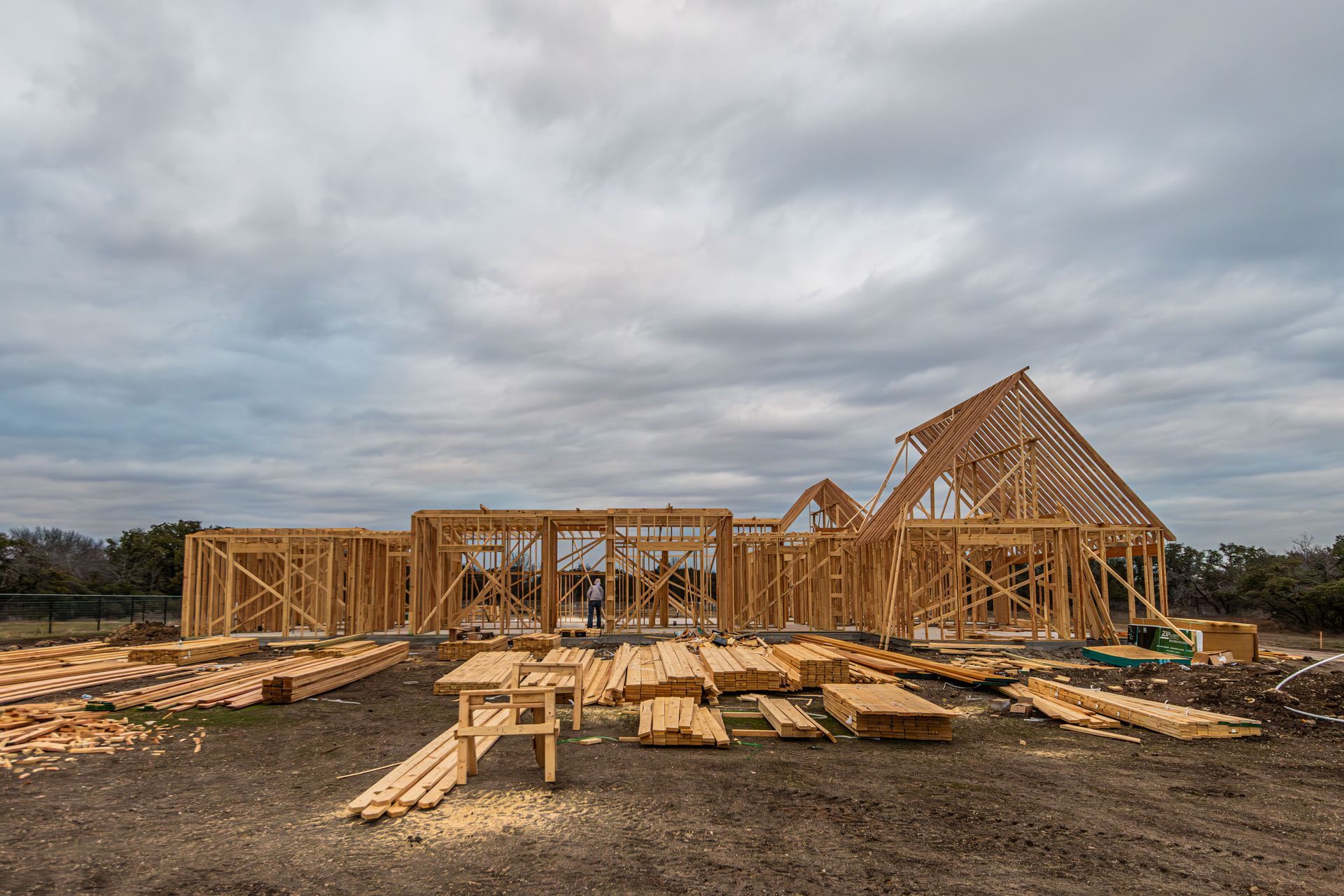
Construction loans are typically variable during the build phase, then refinanced or sold at completion. If rates rise significantly during your build timeline, your exit sale price may be lower than projected. Build in larger contingency buffers and be conservative with your ARV assumptions.
Strategies that work well when rates are higher
- Buy at bigger discounts — the math only works if you buy right; higher rates shrink margins so your purchase price becomes even more critical
- Focus on strong cash flow properties for rentals — DSCR of 1.25+ gives you cushion if rates move against you
- Shorter hold periods on flips — less time carrying the loan means less exposure to rate fluctuations
- Lock rates early — where possible, rate lock at application rather than waiting until closing
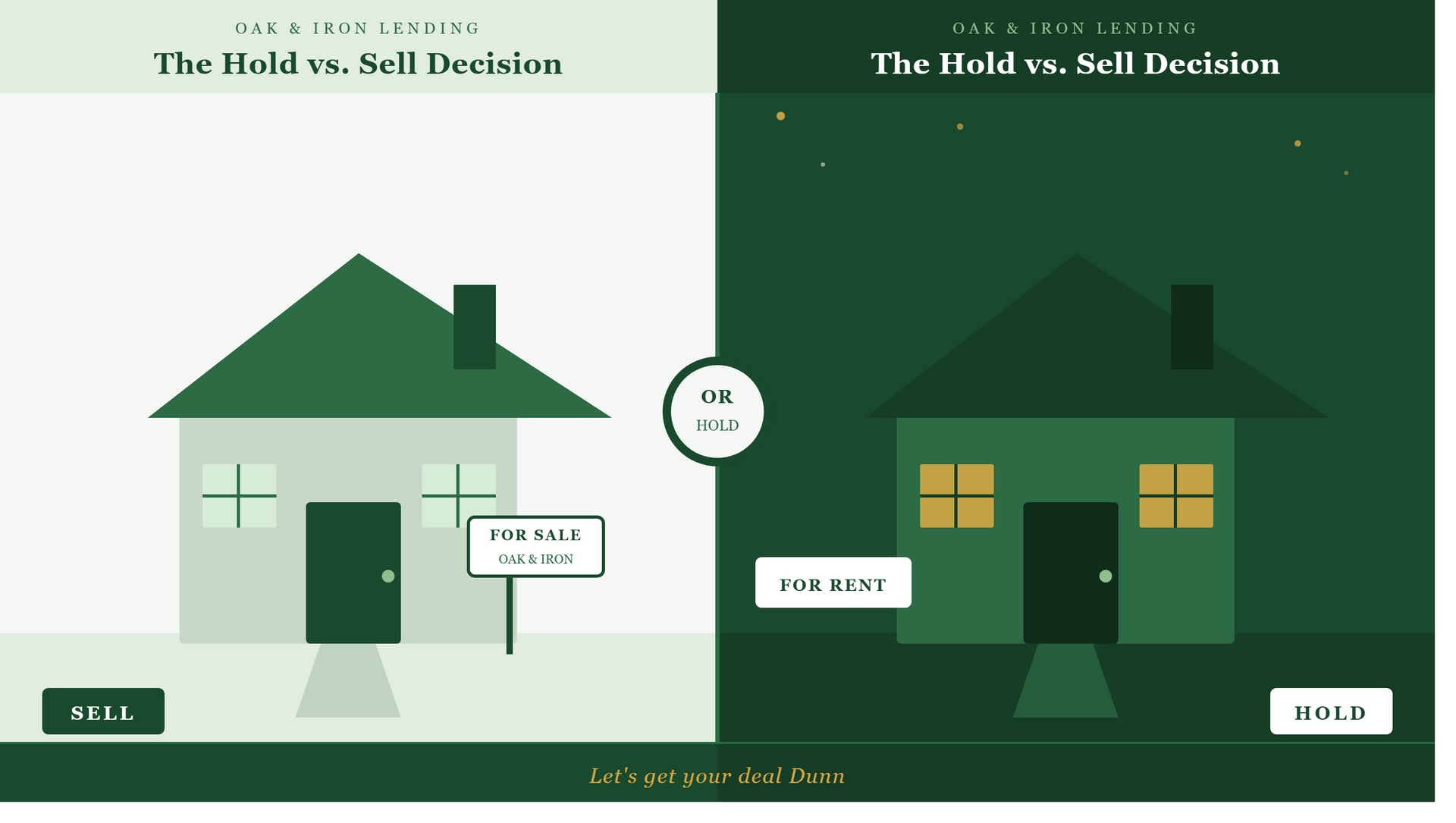
- Explore ARM products — a 5/6 or 7/6 ARM on a rental can lower your initial payment while you stabilize the asset
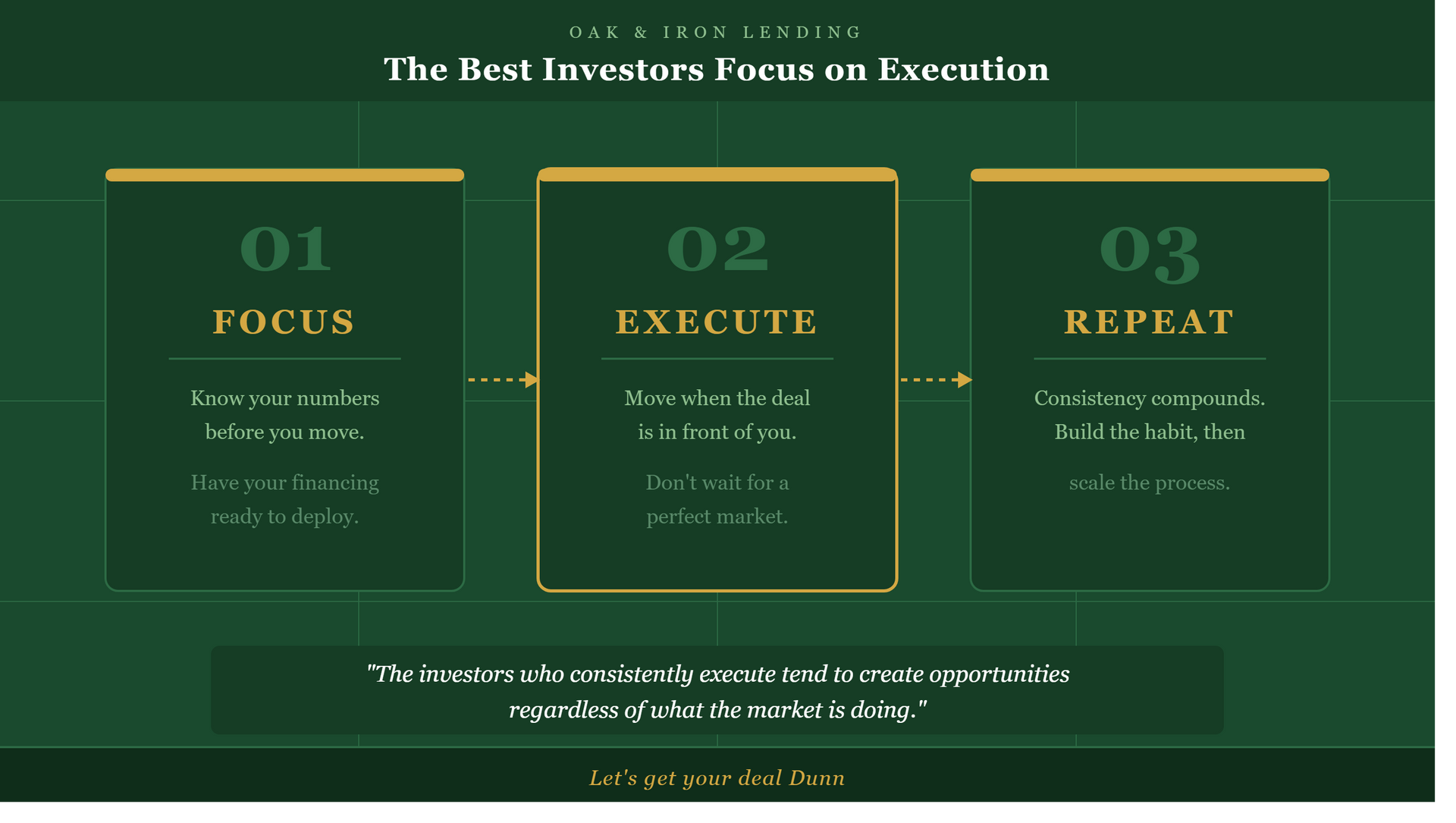
Rates rise and fall. The investors who consistently build wealth are not the ones who only buy when rates are low — they are the ones who know how to find deals that work at any rate. That starts with understanding your numbers and choosing the right loan product for the market conditions you are actually in.