Can you get a fix & flip loan with no experience?
Yes — most private lenders, including Oak & Iron Lending, welcome first-time fix & flip investors. However, experience level does affect your terms. A first-time investor will typically see a lower maximum LTC (around 80–85%) compared to an experienced investor who can access 90–100% LTC. The lender is managing risk — and experience is one of the key risk factors they evaluate.
What lenders look at for first-time investors
- Credit score — typically 650+ for fix & flip; stronger credit partially offsets lack of experience
- The deal itself — a strong deal with clear ARV, conservative renovation budget, and realistic timeline is the best argument for a first-time borrower
- Down payment — first-timers may need to bring 15–20% down; having skin in the game reduces lender risk
- Contractor relationship — a licensed, experienced GC on the project can offset borrower inexperience
- Exit strategy — clear, realistic plan for how and when the property will be sold
The fix & flip loan process — what to expect
- Find the deal — run your numbers using the 70% ARV rule: (ARV × 0.70) − rehab costs = maximum offer price
- Submit to your lender — property address, purchase price, rehab budget, ARV estimate, and your contractor plan
- Receive term sheet — within 24 hours at Oak & Iron; confirms rate, LTC, and loan structure
- Appraisal — lender orders appraisal to confirm ARV; this determines your actual loan amount
- Close and fund — typically 7–14 business days for first-time borrowers
- Draw funds as you renovate — access additional funds in draws as renovation phases are completed
- Sell or refinance — exit the loan at completion; pay off from sale proceeds
Common first-time flip mistakes to avoid
- Overestimating ARV — use sold comparables, not listed properties; be conservative
- Underestimating rehab costs — add a 10–15% contingency to every budget; surprises are guaranteed
- Choosing the wrong contractor — the cheapest bid is almost never the right one; verify licenses and references
- Ignoring holding costs — loan interest, taxes, insurance, and utilities during renovation eat into your profit; model these explicitly
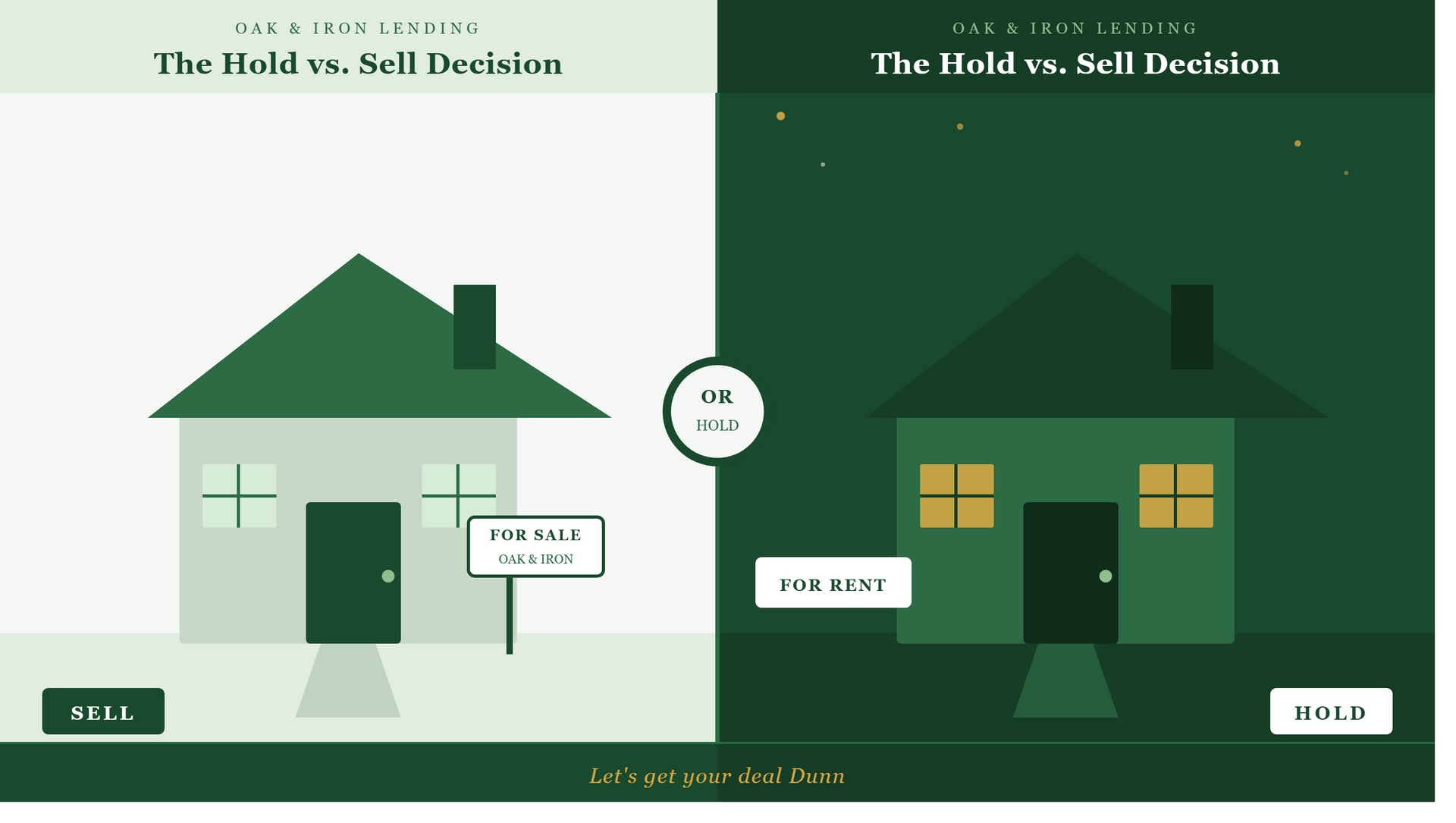
- Not having a backup plan — what if it doesn't sell quickly? Can you rent it while you wait? Know your options
First-time investor bottom line
Your first fix & flip deal sets the foundation for everything that follows. Buy conservatively, budget aggressively, and close fast. A modest profit on your first deal is far more valuable than an aggressive deal that teaches you an expensive lesson.