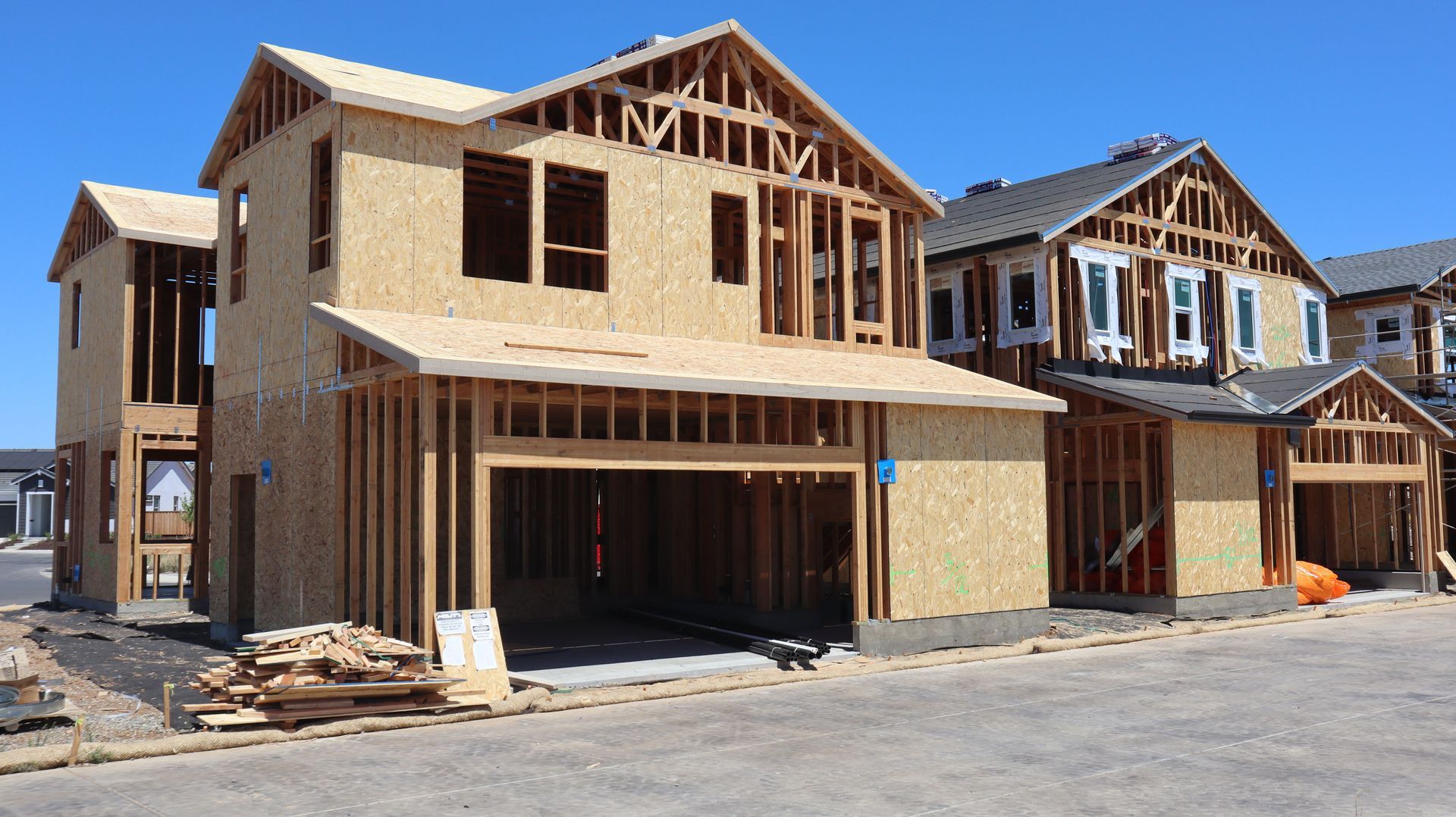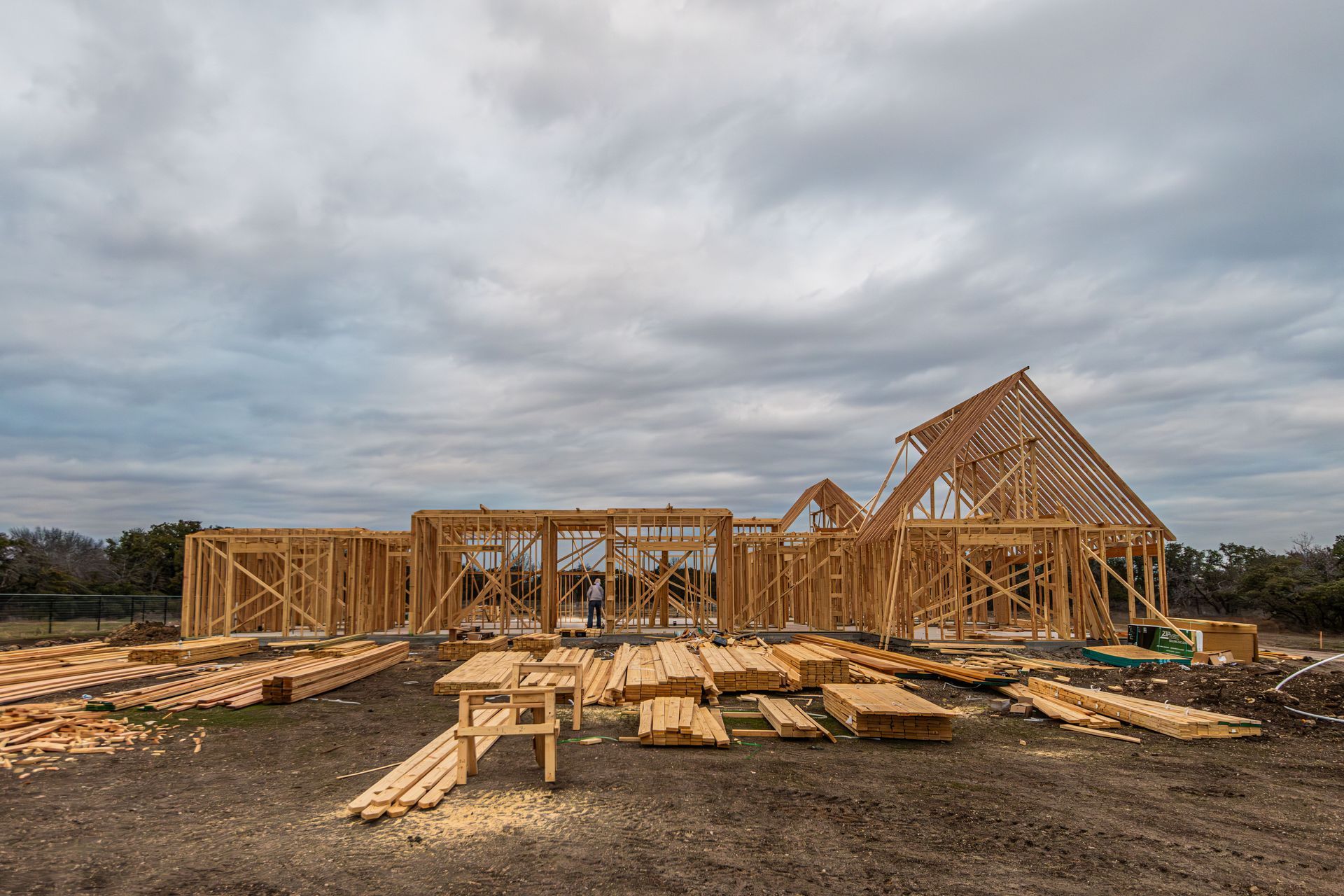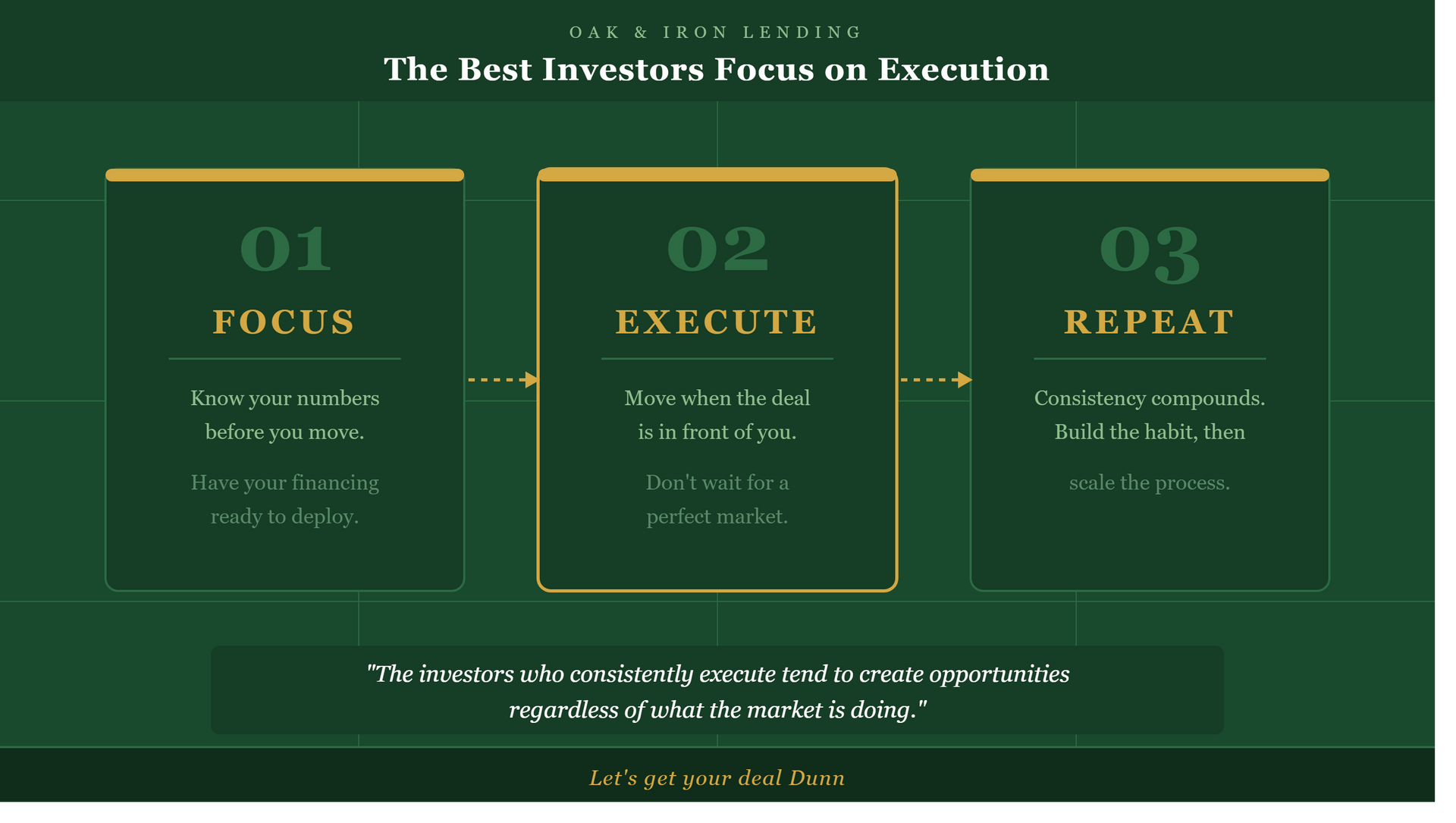
For a long time, the fix-and-flip playbook was simple: find a distressed property, renovate it, sell it, repeat. Rinse and go again. The exit was never really a question — it was just part of the process.

That's starting to change.
Across the markets we work in, one of the most significant shifts we're watching is the growing number of real estate investors who finish a project and ask themselves a question they might not have seriously considered a few years ago: Should I hold this instead of selling it?
It's a good question. And the fact that more investors are asking it says a lot about where the market is right now.
What's Driving the Shift
A few forces are converging at once.
Exit valuations aren't what they used to be. In many markets, the gap between what a renovated property costs to produce and what the market will pay for it has narrowed. Rising material costs, higher carrying expenses, and softer buyer demand in some areas have all compressed margins on the sell side. That doesn't mean flipping is dead — far from it — but it does mean the automatic assumption that selling equals the best outcome deserves a second look.
Rental demand remains strong. While the for-sale market has cooled in places, the rental market has held firm. Inventory is tight, rents have stayed elevated in most metros, and quality rental housing continues to attract tenants quickly. A well-renovated property that might sit on the market for weeks as a listing could lease up in days.
Investors are thinking more like portfolio builders. The mindset is shifting. More investors — especially those who have done multiple projects — are starting to view individual deals less as transactions and more as potential long-term assets. A single rental property that generates steady cash flow year after year looks very different on a balance sheet than a one-time gain.
Hold or Sell? The Right Answer Depends on the Right Questions
None of this means every completed renovation should become a rental. The hold-vs-sell decision is genuinely case-by-case, and it depends on a range of factors: your current capital position, your debt structure, your local market dynamics, your long-term goals, and the specific numbers on that particular deal.
What matters is that you're asking the question before the rehab begins — not after it ends.
Here's why the timing matters: the decision to hold a property as a rental versus sell it as a flip isn't just an exit strategy — it's a financing strategy. The loan structure you need for a short-term flip is different from what you'd want for a long-term hold. If you're going into a project without clarity on your exit, you may be negotiating your financing with one hand tied behind your back.
At Oak & Iron Lending, we work with investors at exactly this decision point. Whether you know from day one that you're building a rental portfolio, or you want flexibility to decide later, we can structure financing that fits your actual strategy — not a generic template.
A Few Things Worth Thinking Through
If you're evaluating a current or upcoming project, here are some questions worth sitting with before you commit to an exit:
- What are comparable rentals commanding in this market? Run the rental comps alongside the sale comps — not just the sale comps.
- Does the renovation scope make sense for a rental hold? Some finishes that boost a retail sale price don't meaningfully increase rent. Others do.
- What's your financing runway? A bridge loan designed for a 6-month flip may not serve you well if you decide mid-project to hold.
- What does your balance sheet look like post-project? Sometimes selling is the right call simply because liquidity matters more than yield right now.
- What's your 3-year goal? A single rental property can become the foundation of a portfolio — or it can become an obligation you didn't plan for. Know which one you're signing up for.
The Bottom Line
The hold-vs-sell question doesn't have one right answer. But it does have one right time to ask it: early.
The investors who are navigating today's market well aren't the ones who found a magic formula. They're the ones who are being deliberate — running both scenarios, stress-testing their assumptions, and structuring their deals with a clear-eyed view of what they actually want the outcome to be.
If you're working through this decision on a current or upcoming project, we'd be glad to talk it through with you. At Oak & Iron Lending, this is exactly the kind of conversation we're built for.
Oak & Iron Lending specializes in financing solutions for real estate investors — from short-term bridge loans to longer-term rental financing. Reach out to our team to discuss your next project.