What is a construction loan draw?
A draw is a partial release of loan funds tied to the completion of a specific phase of construction. Rather than funding the entire loan at closing, the lender releases money in tranches as work is completed and verified by a third-party inspection. This protects both the lender and the borrower — ensuring funds are used for their intended purpose and that the project is progressing before more money is released.
How the draw schedule works — phase by phase
Released at closing to cover permits, site preparation, and builder mobilization. No inspection required for the initial draw. Covers the costs to get the project legally started.
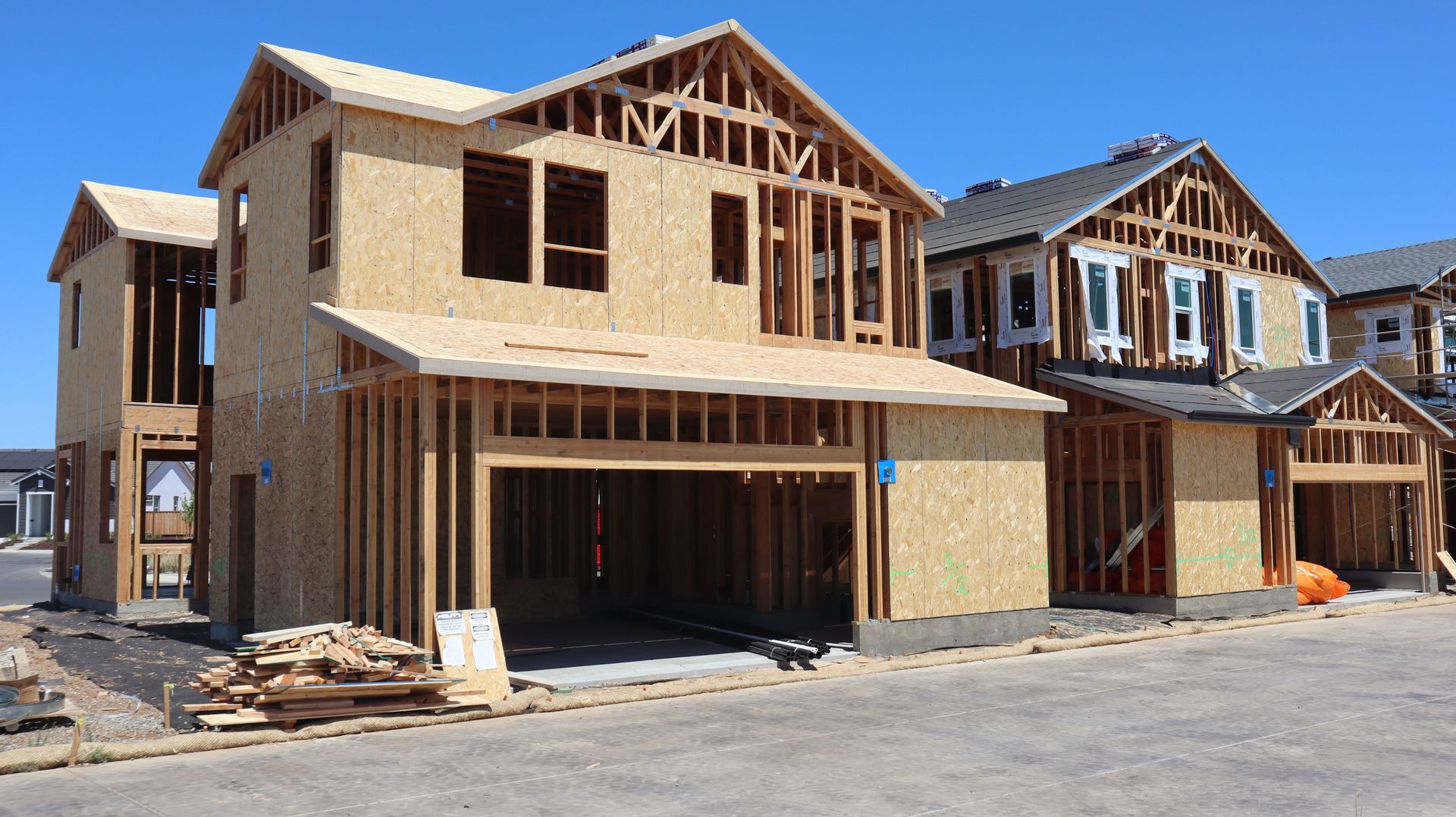
Released after the foundation is poured and passes inspection. This draw funds the transition to vertical construction — framing, rough electrical, and plumbing.
Triggered by framing completion and rough-in sign-off. Covers roofing, exterior wrap, windows, insulation, and mechanical rough-ins.
Covers drywall, flooring, cabinetry, trim, and fixture installation. Released after inspection confirms completion of interior finishes.
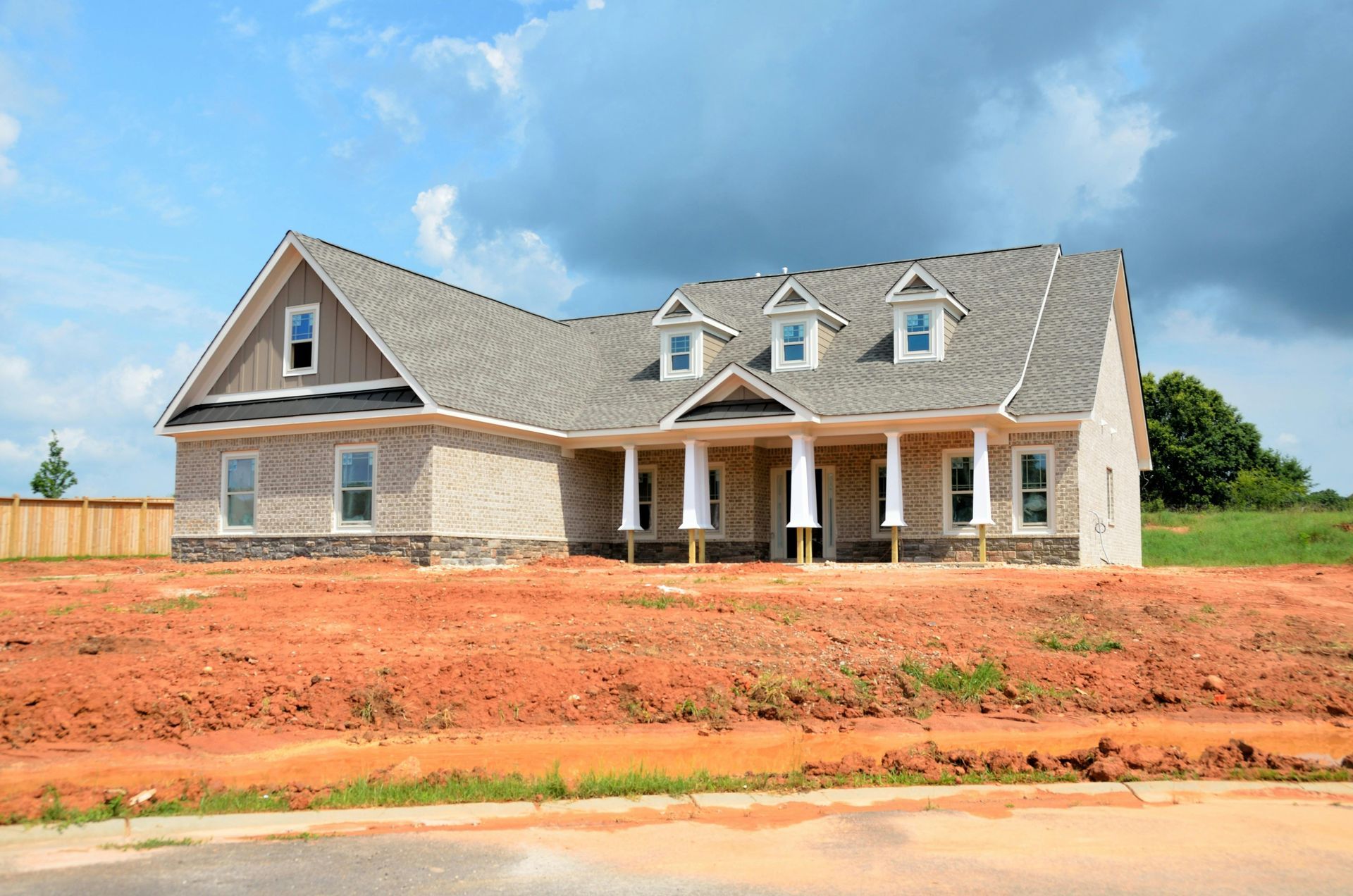
Final draw released upon issuance of a certificate of occupancy. Project is complete. Exit via sale or refinance into a long-term DSCR rental loan.
The key advantage — interest only on what you've drawn
One of the most misunderstood aspects of construction loans is how payments work. You do not pay interest on the full loan amount from day one. You only pay interest on the funds that have actually been drawn and disbursed.
Total loan commitment: $500,000
Amount drawn after Phase 2: $175,000
Monthly interest at 10%: ~$1,458/month
You are only paying interest on the $175,000 drawn — not the full $500,000. As each draw is taken, your monthly payment increases proportionally.
What builders need to prepare before applying
- Completed project documentation — at least one prior ground-up project with closing documents or permits to verify experience
- Detailed construction budget — line-item budget for all construction costs including materials, labor, and contingency
- Architectural plans — permitted plans for the project
- GC license — required for emerging builders; experienced builders may self-perform with approval
- Lot documentation — proof of ownership or purchase contract if land is being acquired simultaneously
- Exit strategy — sale or refinance; the lender will want to understand how the loan gets paid off