What is ARV?
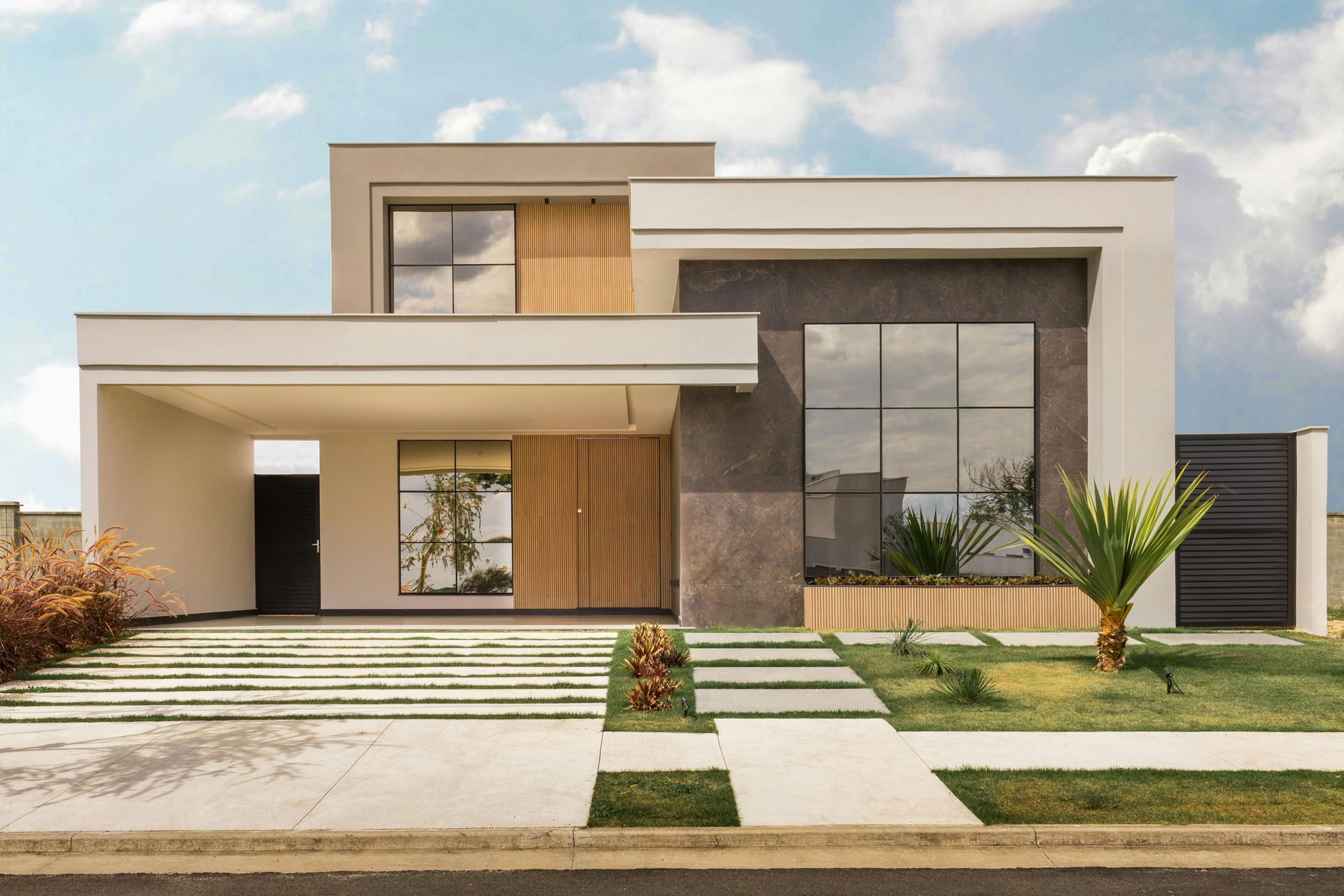
ARV stands for After-Repair Value — the estimated market value of a property after all planned renovations are complete. It represents what the property would sell for on the open market in its fully improved condition.
ARV is not the purchase price. It is not the current value of the distressed property. It is a forward-looking estimate based on comparable sales of similar renovated properties in the same area.
Fix & flip lenders typically lend up to 70–75% of ARV. This means a higher ARV directly translates to a larger loan — which means more of your deal gets financed and less cash comes out of your pocket.
How to calculate ARV — step by step
ARV is calculated using the sales comparison approach — the same methodology appraisers use. Here is how it works:
Step 1: Define your subject property
Document the property's current condition, square footage, bedroom and bathroom count, lot size, age, and location. This is your baseline for finding comparables.
Step 2: Find comparable sales (comps)
Search for recently sold properties that are similar to your subject property in its renovated condition. The best comps are:
- Sold within the last 90 days (180 days maximum in slow markets)
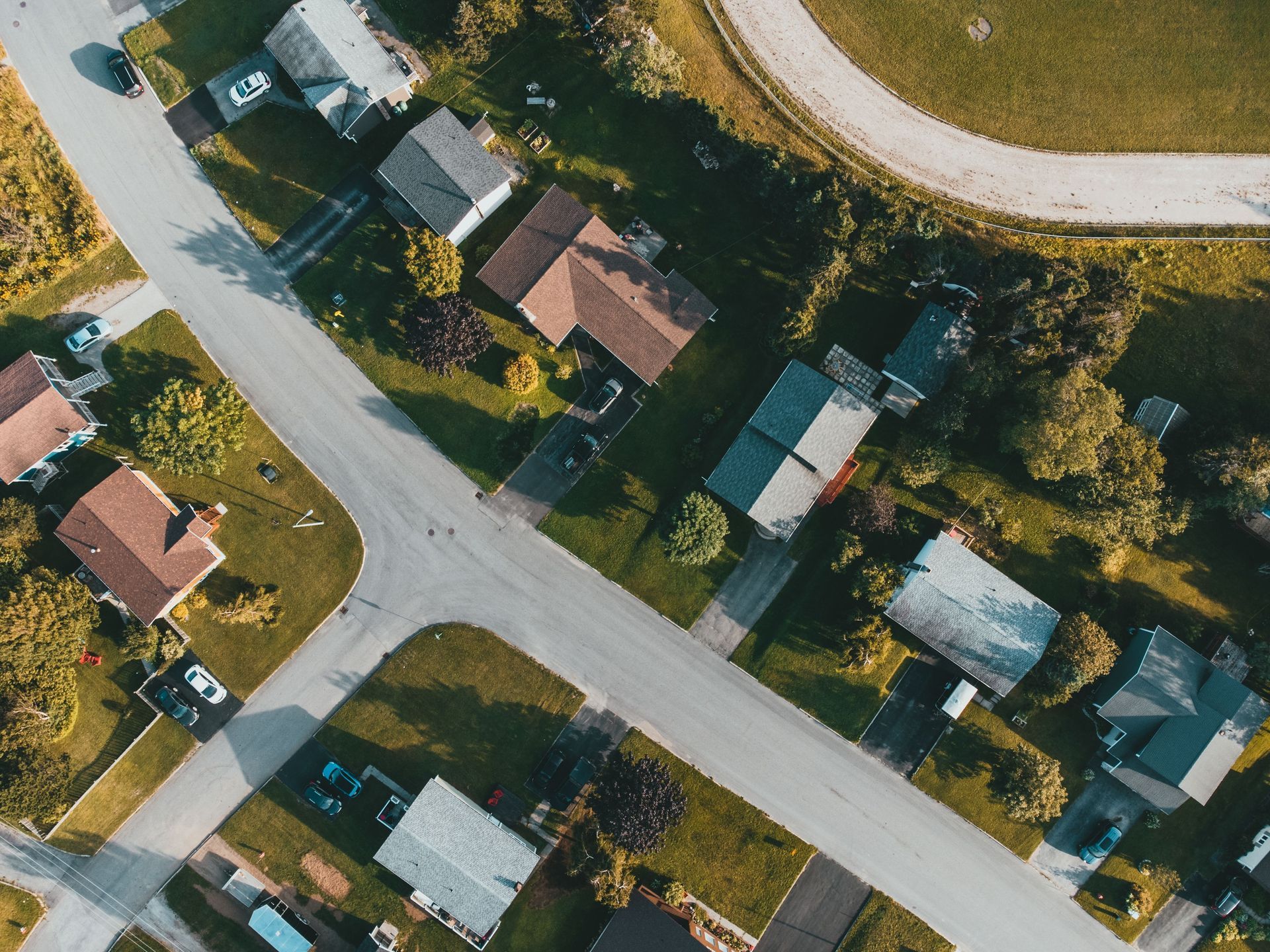
- Within 0.5 miles in urban areas, 1–2 miles in suburban or rural areas
- Similar square footage (within 15–20%)
- Same number of bedrooms and bathrooms
- Similar renovation quality and finish level
Step 3: Adjust for differences
No two properties are identical. If a comp has a garage and your property does not, you need to adjust the comp's sale price downward. Common adjustment factors include square footage, bedrooms, bathrooms, garage, pool, lot size, and condition.
Step 4: Calculate your ARV
Once you have three to five adjusted comps, take the average or weighted average of the adjusted sale prices. That is your estimated ARV.
How lenders use ARV to determine your loan amount
Fix & flip lenders typically set loan limits based on a percentage of ARV rather than purchase price. This is called the loan-to-ARV ratio or simply the ARV limit.
| Metric | Example figures |
|---|---|
| Estimated ARV | $325,000 |
| Lender max LTV of ARV (70%) | $227,500 max loan |
| Purchase price | $180,000 |
| Rehab budget | $45,000 |
| Total project cost | $225,000 |
| Amount lender covers | $225,000 (100% LTC) |
| Profit potential (ARV − total cost) | $100,000 |
Common ARV mistakes that kill deals
- Using pending sales or listings as comps — only use closed sales. Pending and listed properties have not yet proven their market value.
- Comping against properties in better condition — if your renovation will be mid-grade, comp against mid-grade renovations, not luxury rehabs.
- Ignoring negative adjustments — if your property is on a busy road and your comps are on quiet streets, that difference will affect value.
- Using stale data — market conditions change. Comps older than 90 days may not reflect current values in a moving market.
- Overestimating renovation quality — your projected finish level has to match the comps you are using to justify your ARV.
Before submitting your deal, pull your own comps and calculate ARV independently. When lenders order their appraisal, they should arrive at a similar figure. A significant discrepancy between your ARV and the appraised value is a red flag that something is off with either your comps or your renovation projections.
Where to find comps
The best sources for comparable sales data are:
- MLS access — through a licensed real estate agent or your own license
- Zillow and Redfin — free but less detailed than MLS; useful for quick estimates
- PropStream or BatchLeads — investor-grade data tools with comp pulling capabilities
- County public records — free but time-consuming; useful for verification